Introduction to Skin Brightening Treatments
Many people want brighter, even-toned skin. Skin brightening treatments can help reduce dark spots and dullness. Two popular options are laser peels and chemical peels. Both aim to refresh your skin, but they work in different ways. In this blog, we will compare laser vs. chemical peels for skin brightening. We will also look at their benefits, risks, and how to choose the right one for you.
How Laser Peels Work
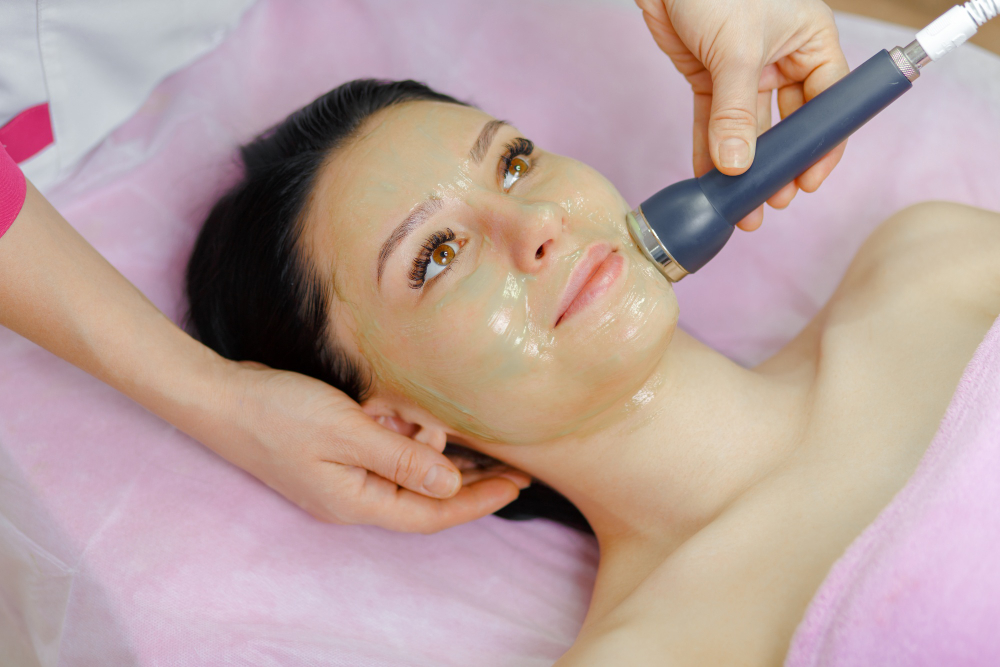
Laser peels use focused light energy to remove the top layer of skin. This process is also called laser resurfacing. During the procedure, a doctor moves a laser device over your skin. The laser targets damaged or pigmented areas. As a result, new skin grows in its place. Most people notice smoother and brighter skin after healing. Usually, you may need one or more sessions for best results.
How Chemical Peels Work
Chemical peels use special acids to remove the outer skin layer. The doctor applies a safe solution to your face. After a few minutes, the solution is removed or neutralized. Over the next few days, the old skin peels off. New, brighter skin appears underneath. Chemical peels come in different strengths: light, medium, or deep. The choice depends on your skin type and goals.
Benefits of Laser Peels vs. Chemical Peels
Both treatments can improve skin tone, but your choice depends on your needs and skin type.
Risks and Side Effects
Every treatment has risks. It is important to know what to expect before you decide.
Always choose a certified provider to lower your risk.
Suitability: Who Should Consider Each Option?
Not every treatment fits every person. Your skin type and concerns matter.
For example, if you have sensitive skin, a gentle chemical peel may be safer. On the other hand, lasers can help with stubborn spots or scars. Always discuss your medical history with your doctor first.
Recovery and Aftercare
Both treatments need some recovery time. However, the downtime can vary.
Follow your doctor’s aftercare tips to avoid problems and get the best results.
Cost Comparison
Costs can differ based on the treatment, provider, and your location.
Insurance does not cover these treatments, as they are cosmetic. Always ask for a full price quote before starting.
Prevention and Maintenance Tips
After your treatment, you will want to keep your skin bright. Here are some tips:
With good care, your skin can stay bright and clear for longer.
Conclusion
Both laser and chemical peels can help brighten your skin. Each has its own benefits and risks. Your choice depends on your skin type, goals, and budget. For best results, consult a certified dermatologist at The Renewed Skin to find the best skin brightening option for you.