What Is Sunscreen and Why Is It Important?
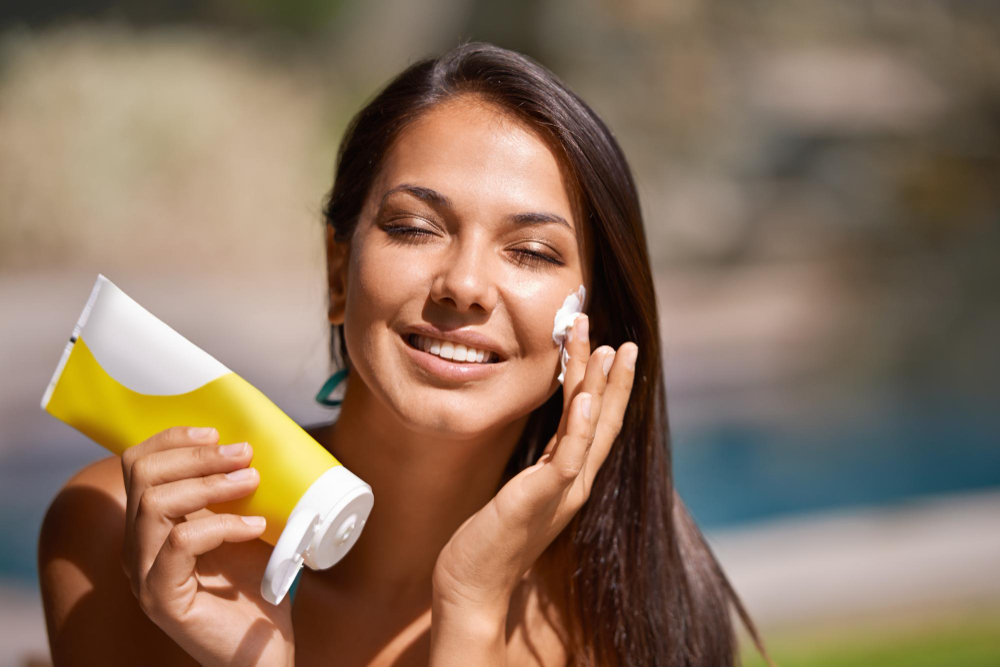
Sunscreen is a lotion, spray, or cream that protects your skin from the sun’s harmful rays. It helps prevent sunburn, skin aging, and even skin cancer. Because the sun’s rays can damage your skin in just a few minutes, using sunscreen is important for everyone. According to the World Health Organization (WHO), sunscreen is a key part of sun safety. Even on cloudy days, your skin can still get damaged. So, it is wise to use sunscreen every day.
Key Factors to Consider When Choosing Sunscreen
When you want to choose the right sunscreen, you should look at several important factors. Each one helps protect your skin in a different way.
SPF (Sun Protection Factor): SPF shows how well the sunscreen protects against sunburn. For daily use, SPF 30 or higher is best. If you spend a lot of time outdoors, you may want SPF 50.
Broad-Spectrum Protection: Always pick a broad-spectrum sunscreen. This means it protects against both UVA and UVB rays. UVA rays cause aging, while UVB rays cause burns.
Water Resistance: If you swim or sweat, choose a water-resistant sunscreen. However, you still need to reapply it every 40 to 80 minutes.
Skin Type: For sensitive skin, look for sunscreens labeled “for sensitive skin” or “mineral sunscreen.” These often use zinc oxide or titanium dioxide. For oily skin, pick oil-free or non-comedogenic products. Dry skin may benefit from sunscreens with added moisturizers.
Ingredients: Some people react to certain chemicals. If you have allergies, check for fragrance-free or hypoallergenic options. Mineral sunscreens are gentle and less likely to cause irritation.
How to Read Sunscreen Labels
Reading sunscreen labels can seem confusing at first. However, knowing what to look for makes it easier. Here are some tips:
SPF Number: Higher numbers mean more protection, but no sunscreen blocks 100% of rays.
Broad-Spectrum: This label means the sunscreen protects from both UVA and UVB rays.
Water Resistant: This tells you how long the sunscreen stays on when wet. It may say 40 or 80 minutes.
Active Ingredients: Look for zinc oxide or titanium dioxide for sensitive skin. Avoid oxybenzone if you have allergies.
Always check the expiration date. Expired sunscreen may not work well.
Application Tips and Common Mistakes
Even the best sunscreen will not work if you do not use it correctly. Here are some helpful tips:
Apply sunscreen 15 minutes before going outside.
Use enough to cover all exposed skin. Most adults need about one ounce (a shot glass full).
Reapply every two hours, or after swimming or sweating.
Do not forget your ears, neck, and the tops of your feet.
Common mistakes include using too little, missing spots, or forgetting to reapply. Because sunscreen wears off, regular reapplication is key.
Myths and Facts About Sunscreen
There are many myths about sunscreen. Let’s clear up some common ones:
Myth: Dark skin does not need sunscreen.
Fact: All skin types can get sun damage. Everyone needs protection.
Myth: You only need sunscreen on sunny days.
Fact: UV rays can pass through clouds, so sunscreen is needed every day.
Myth: One application lasts all day.
Fact: Sunscreen must be reapplied every two hours.
Myth: Makeup with SPF is enough.
Fact: You still need regular sunscreen for full protection.
Prevention and Lifestyle Guidance for Sun Protection
Besides sunscreen, there are other ways to protect your skin. For example, you can:
Wear hats and sunglasses for extra coverage.
Choose clothing with a tight weave or special sun-protective fabric.
Stay in the shade, especially between 10 a.m. and 4 p.m.
Check the UV index in your area before going outside.
Because sun safety is a daily habit, making small changes can help protect your skin for life.
Conclusion
Choosing the right sunscreen is simple when you know what to look for. Always check the SPF, look for broad-spectrum coverage, and pick a product that matches your skin type. Remember to apply it correctly and reapply often. For the best advice, consult a dermatologist Dr. Abhijit kashyap for personalized sunscreen recommendations.