Introduction to Hair Transplantation
Hair transplantation is a popular solution for people facing hair loss. Many choose this hair restoration surgery to regain confidence and a natural look. In fact, hair transplantation can help both men and women. If you are considering a safe hair transplant, understanding the process is important. This guide explains the procedure, benefits, risks, and recovery steps.
What Causes Hair Loss?
Many people experience hair loss for different reasons. Often, genetics play a big role. However, other causes can include:
Because hair loss can affect self-esteem, many seek hair restoration surgery for a lasting solution.
Types of Hair Transplant Procedures
There are two main types of hair transplant procedures. Both are safe when performed by trained specialists. Let’s look at each method:
Both techniques offer natural-looking results. However, the choice depends on your needs and the doctor’s advice.
Step-by-Step Hair Transplant Procedure
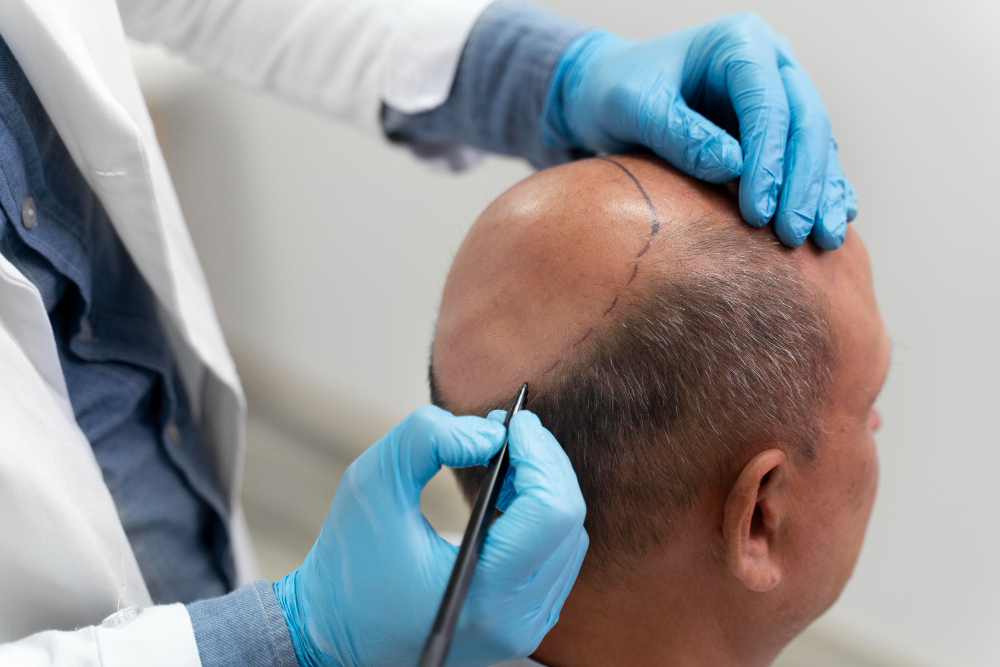
Although each clinic may have slight differences, the general steps are similar. Here is what you can expect during a hair transplant procedure:
Most procedures take several hours. However, you can usually go home the same day.
Expected Results and Benefits
After hair transplantation, most people notice new hair growth within a few months. Over time, the results look natural and permanent. Some key benefits include:
Because the transplanted hair is your own, it grows just like normal hair.
Potential Risks and Side Effects
While hair transplantation is generally safe, some risks exist. It is important to know these before deciding. Possible side effects include:
Most side effects are mild and go away with proper care. However, always follow your doctor’s advice for a safe hair transplant experience.
Recovery Process and Aftercare Tips
After the hair transplant procedure, recovery is usually quick. Here are some tips to help you heal well:
Because healing times vary, always check with your specialist before resuming normal activities.
Preventing Hair Loss After Transplant
Even after a successful hair restoration surgery, it is wise to protect your new hair. Here are some ways to prevent further hair loss:
Because each person is different, your doctor may suggest extra steps based on your needs.
Conclusion
Hair transplantation offers a safe and lasting way to restore hair. With the right care, you can enjoy natural results and renewed confidence. However, always consult a certified cosmetologist or hair restoration specialist at The Renewed Skin for personalized advice on hair transplantation. They can help you choose the best option for your needs.