What Are Aging & Wrinkles?
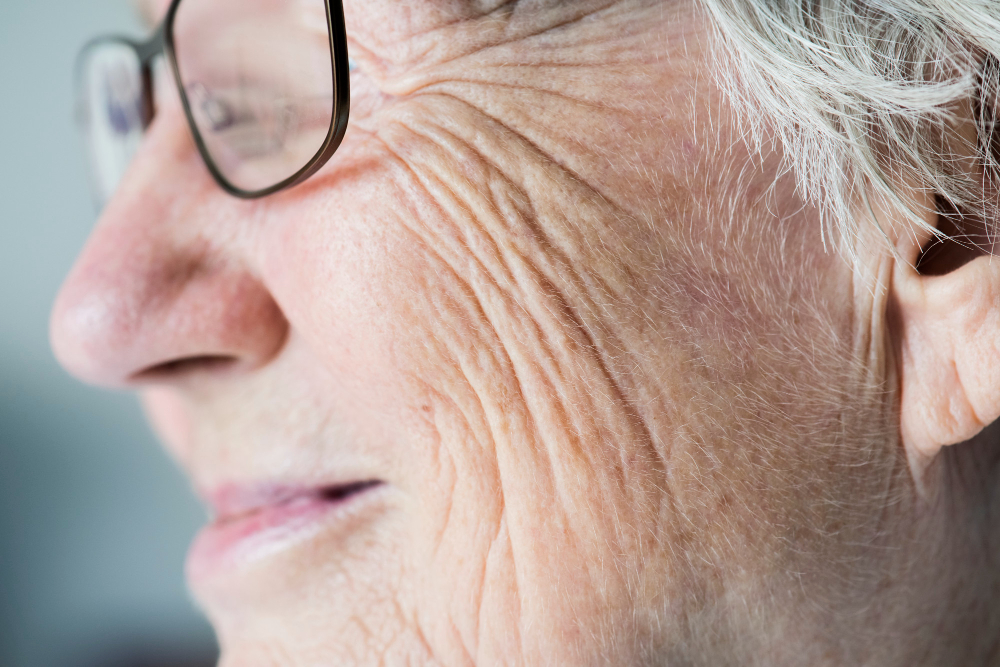
Aging & wrinkles are natural parts of getting older. As we age, our skin changes. Over time, lines and folds, called wrinkles, appear. These changes happen to everyone. However, some people notice wrinkles earlier or more often. Many people search for ways to slow down aging and prevent wrinkles. Understanding how aging affects the skin can help you care for it better.
Common Symptoms
Wrinkles and other signs of aging skin can show up in many ways. For example, you may notice:
Sometimes, these changes happen slowly. But in some cases, they can appear quickly, especially after sun exposure.
Main Causes
Several factors cause aging & wrinkles. While some are natural, others can be controlled. For instance, common causes include:
Because some causes are preventable, you can take steps to protect your skin.
Diagnosis Methods
Doctors usually diagnose aging & wrinkles by looking at your skin. They may ask about your health, habits, and family history. Sometimes, they use special lights or tools to check skin thickness and texture. However, most cases do not need lab tests. If you have unusual skin changes, your doctor may suggest more tests to rule out other problems.
Treatment Options
There are many wrinkle treatment options available. Some treatments help reduce the look of wrinkles. Others aim to slow down new wrinkles. Common options include:
Because each person’s skin is different, it is best to talk to a dermatologist before starting any treatment. The American Academy of Dermatology recommends using sunscreen daily as part of any anti-aging skin care routine.
Lifestyle Tips for Healthy Skin
Healthy habits can keep your skin looking younger. For example, you can:
Additionally, regular exercise can improve blood flow and help your skin glow.
Prevention Strategies
While you cannot stop aging, you can slow down wrinkles. Here are some proven prevention strategies:
Because prevention works best when started early, begin these habits as soon as possible.
When to See a Specialist
Most wrinkles are not a medical problem. However, you should see a dermatologist if:
Early care can help you find the best anti-aging skin care plan for your needs.
For personalized advice on aging & wrinkles, consult a dermatologist at The Renewed Skin. They can guide you on prevention, treatment, and healthy skin care.